
Theme · Protection
Why Environmental Protection Matters
Clean air, fresh water, fertile soil and living forests are not luxuries. They are the conditions that make everyday life possible — and they depend on how carefully we treat them.
01
Why Environmental Protection Matters
Every economy, community and household relies on natural systems. When those systems are degraded, the costs appear slowly — in water quality, in soil productivity, in public health and in the loss of landscapes that define a place.
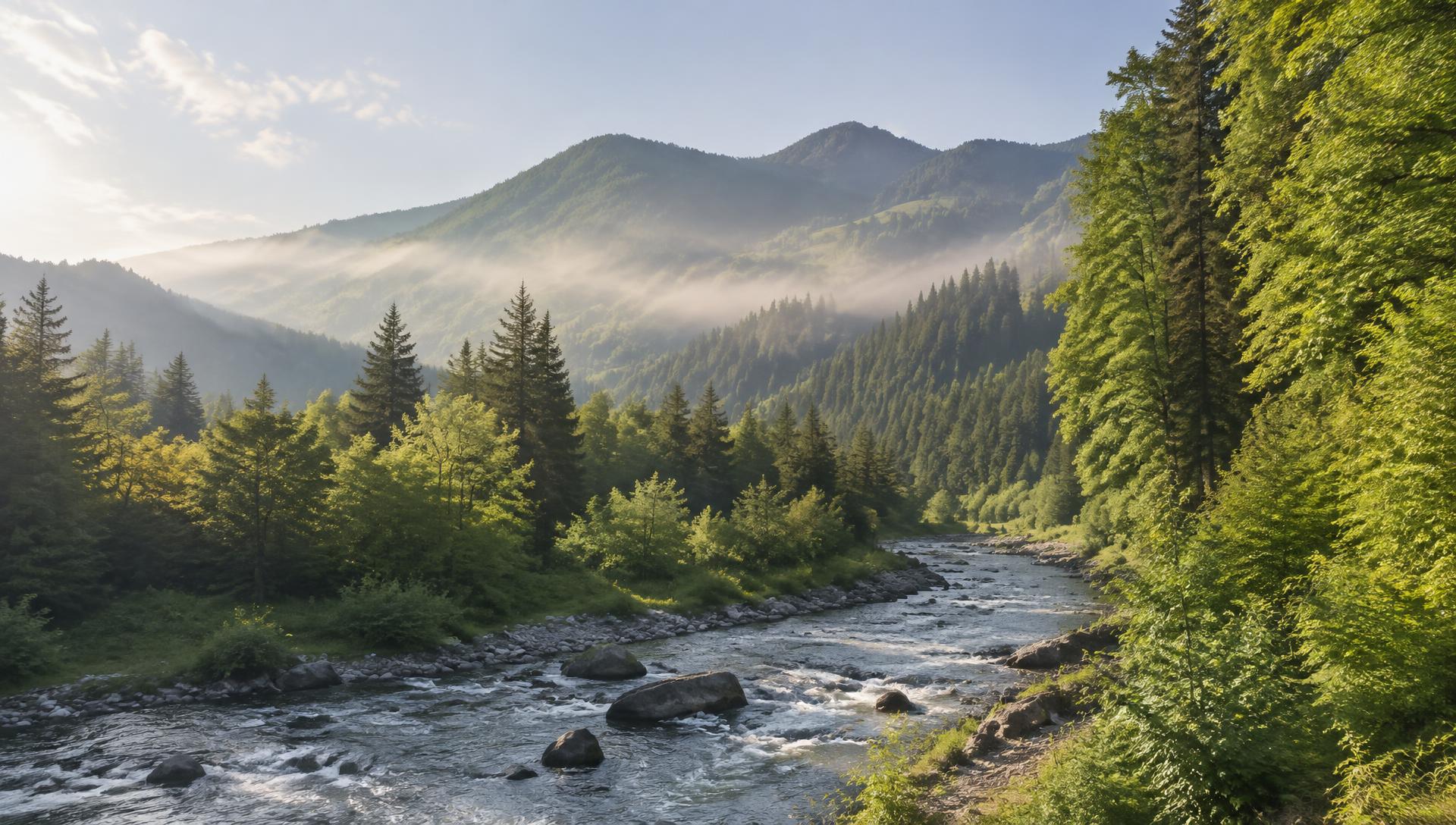
Romania holds some of Europe's most valuable natural areas, from Carpathian forests to river valleys and traditional meadows. Across Europe, protecting such places is increasingly understood as a shared responsibility rather than the task of specialists alone.
02
Natural Ecosystems
An ecosystem is a network of living organisms and their physical surroundings working together. Forests regulate water and climate, wetlands filter pollutants, and grasslands support pollinators that agriculture depends on.
Because these systems are interconnected, damage in one place often affects another. Understanding these links is the first step toward protecting them.
03
Environmental Responsibility
Environmental responsibility means considering the consequences of our choices — what we buy, how we travel, how we use energy and what we throw away. Small decisions, repeated by many people, shape the condition of the environment.
04
Sustainable Resource Use
Natural resources are finite or renew only at a certain pace. Using them sustainably means taking no more than can be replaced and avoiding waste wherever possible.
- Use water and energy thoughtfully
- Choose durable, repairable products
- Prefer local and seasonal goods
- Avoid unnecessary packaging
05
Biodiversity
Biodiversity — the variety of plants, animals, fungi and micro-organisms — makes ecosystems resilient. The more diverse a system is, the better it can adapt to change and recover from disturbance.
06
Forest and Habitat Awareness
Forests are home to a large share of terrestrial species and play a vital role in regulating water and climate. Respecting forest habitats means staying on marked paths, leaving no litter and valuing old trees and natural undergrowth.
07
Water Protection
Rivers, lakes and groundwater supply drinking water, support agriculture and sustain wildlife. Keeping waste, chemicals and oils out of drains and waterways helps protect them for everyone downstream.
08
Soil Conservation
Healthy soil takes centuries to form and can be lost quickly through erosion, compaction or contamination. Composting, maintaining plant cover and reducing chemical use are practical ways to keep soil alive.
09
Environmental Education
Knowledge turns concern into informed action. Environmental education helps people of all ages understand how nature works and what they can do to protect it.
10
Community Participation
Lasting environmental care happens when communities take ownership of their surroundings. Neighbourhoods, schools and local groups each have a role to play.