
Practical guide
Recycling and Waste Awareness
Reducing waste is one of the most direct ways anyone can lower their environmental impact. This page offers practical, everyday guidance.
01
Why Waste Reduction Matters
Waste uses up land, can pollute soil and water and represents resources that were extracted, processed and transported only to be discarded. Reducing it saves materials, energy and money.
02
Recycling Principles
The widely used waste hierarchy sets a clear order of priorities.
- 1. Prevent — avoid creating waste
- 2. Reuse — use items again
- 3. Recycle — turn materials into new products
- 4. Recover — recover energy where possible
- 5. Dispose — only as a last resort
03
Reuse and Responsible Consumption
Repairing, borrowing, sharing and buying second-hand extend the life of products and reduce demand for new ones.
04
Waste Separation Awareness
Correct separation keeps recyclable materials clean and usable. Always follow the rules of your local waste service, as they can differ between municipalities.
- Paper and cardboard — clean and dry
- Plastic and metal — rinsed and empty
- Glass — without lids
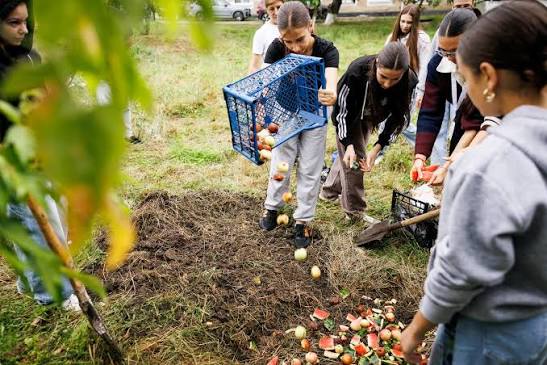
- Organic waste — compost where possible
- Batteries and electronics — special collection points
- Hazardous waste — never in household bins
05
Reducing Single-Use Materials
Reusable bags, bottles, cups and containers replace large quantities of disposable items over time.
06
Community Responsibility
Clean public spaces are a shared achievement. Communities that value tidiness and proper disposal create a culture where littering becomes the exception.
07
Environmental Benefits of Resource Efficiency
Using resources efficiently reduces extraction, energy use and emissions, and eases pressure on landfills and natural areas.
The foundation does not operate recycling centers or collection facilities. Please contact your local municipal waste service for collection schedules and drop-off points.