
Theme · Nature
Nature, Biodiversity and Ecosystem Awareness
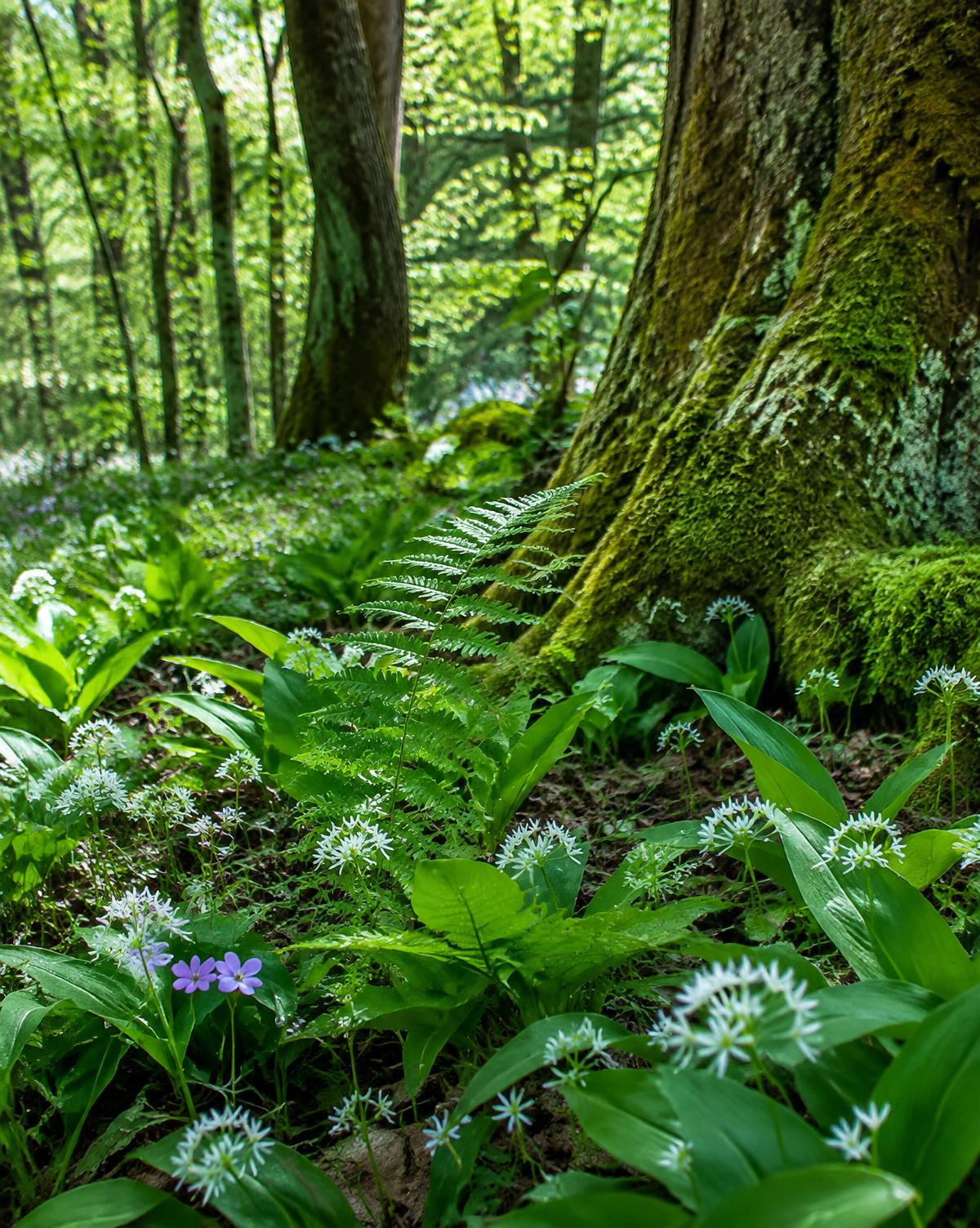
Biodiversity is the living fabric of the planet. Its richness is visible in a Transylvanian hay meadow, a beech forest floor in spring or a mountain stream full of life.
01
The Importance of Biodiversity
Biodiversity supports pollination, clean water, fertile soils and natural pest control. It also carries cultural and aesthetic value that connects people to the places they live.
02
Natural Habitats
Habitats are the places where species find food, shelter and conditions to reproduce. Forests, meadows, wetlands and rivers each host distinct communities of life.
03
Wildlife Awareness
Observing wildlife from a respectful distance, keeping pets under control in natural areas and never feeding wild animals help protect both animals and people.
04
Forest Ecosystems
Forests are layered systems: canopy, understory, shrubs, ground cover and soil all support one another. Deadwood and old trees, often seen as untidy, provide homes for many species.
05
Native Plants
Native plants have evolved alongside local insects, birds and soil organisms. Choosing them for gardens and green spaces supports local ecosystems far better than many ornamental species.
06
Ecological Balance
Ecological balance describes the dynamic stability of an ecosystem in which species populations and resources remain in relative equilibrium. Human pressure can disrupt this balance in ways that are difficult to reverse.
07
Habitat Preservation
Protecting existing habitats is usually more effective than trying to recreate them. Preserving hedgerows, wetlands and meadow edges keeps wildlife corridors intact.
08
Responsible Interaction with Nature
Enjoying nature responsibly means leaving places as we found them.
- Stay on marked trails
- Take all litter home
- Do not pick protected plants
- Keep noise low near wildlife
- Respect seasonal restrictions
- Light fires only where permitted